Green spaces play an important role in how homes, workplaces, and public areas feel and function. However, maintaining natural lawns can be time-consuming, water-intensive, and costly over the long term. This has led many property owners to explore smarter alternatives that balance appearance with practicality. One solution gaining steady traction is artificial grass installation Australia, particularly for those looking to maintain clean, green surfaces across varied environments without ongoing upkeep.
Modern synthetic turf has evolved significantly in both design and performance. Today’s materials are engineered to look realistic, feel comfortable underfoot, and withstand regular use. Unlike natural lawns, they are not dependent on weather conditions, irrigation schedules, or constant maintenance. This makes them suitable for a wide range of applications, from residential spaces to commercial and recreational environments.
Beyond aesthetics, these surfaces support efficiency and consistency. They remain visually appealing throughout the year, reduce water consumption, and eliminate the need for fertilisers, pesticides, or mowing equipment. As sustainability and low-maintenance living become more important priorities, this option continues to gain relevance across both interior and exterior settings.
Why Synthetic Lawn Solutions Are a Practical Choice
One of the most compelling advantages is reduced maintenance. Natural turf requires regular mowing, edging, watering, and seasonal care. In contrast, a professionally prepared surface maintains its appearance with minimal effort, usually limited to light cleaning and occasional brushing. This is particularly valuable for busy households, rental properties, and commercial spaces where consistency matters.
Water efficiency is another major factor. Traditional lawns can consume thousands of litres annually, especially in warmer climates. Choosing a synthetic alternative significantly lowers water usage while still delivering a green, welcoming look. This makes it a responsible option for properties aiming to reduce environmental impact without sacrificing visual appeal.
Durability also plays a key role. High-quality materials are designed to withstand heavy foot traffic, UV exposure, and changing weather conditions. As a result, they perform well in areas where natural lawns often struggle, such as shaded zones, rooftops, balconies, and high-use communal spaces.
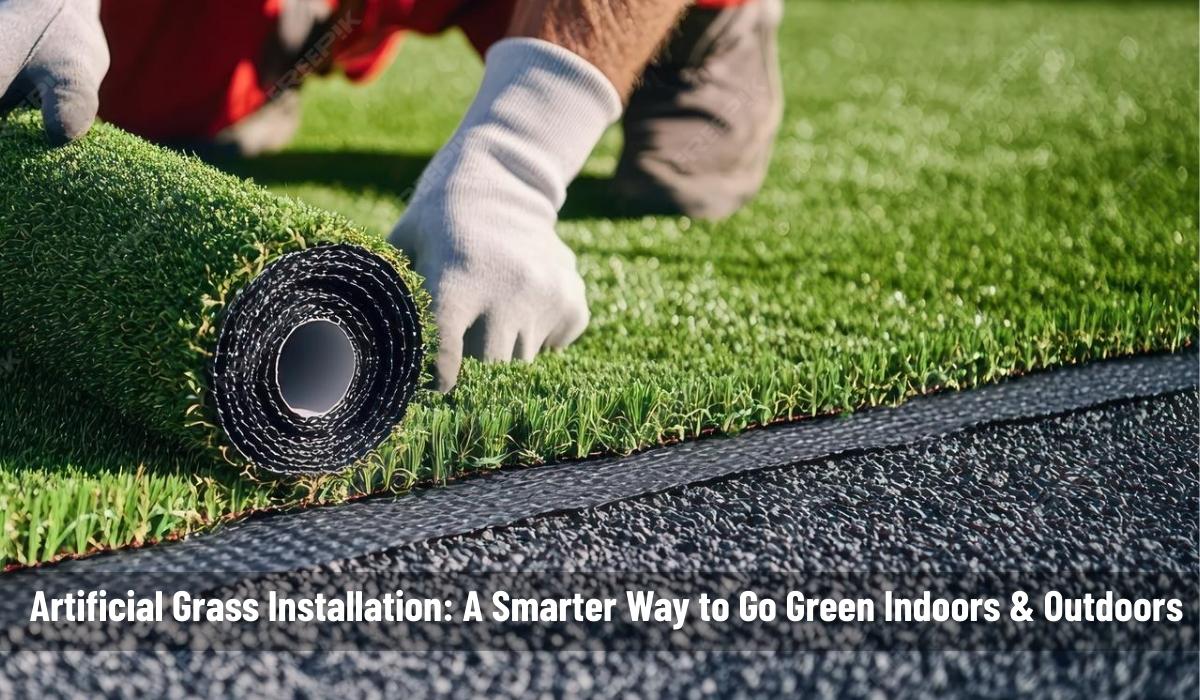
As interest grows, artificial grass installation has become a popular solution for those seeking reliability and long-term value. Proper preparation of the base, attention to drainage, and accurate fitting are essential to achieving a smooth finish that holds its shape and performance over time.
- Key benefit: Consistent appearance with minimal upkeep and reduced water use.
Versatile Use Across Interior and Exterior Spaces
The adaptability of modern synthetic turf is one of its strongest features. Indoors, it is increasingly used in offices, gyms, childcare centres, retail displays, and creative workspaces. These applications introduce a natural visual element without the challenges of maintaining live plants. The surface also helps soften hard flooring and contributes to a more relaxed environment.
In residential settings, balconies and terraces are common areas where natural lawns are impractical. Synthetic turf works well on concrete surfaces and limited-space layouts, offering comfort and visual warmth throughout the year. Families and pet owners also appreciate how easy it is to keep these areas clean and usable.
For larger projects, professional artificial grass installation services help ensure the surface performs as intended. Experienced installers assess ground conditions, manage water runoff, and secure the surface correctly to prevent lifting or uneven wear. This attention to detail directly affects how long the surface lasts and how natural it appears.
Commercial properties also benefit from this solution. Hospitality venues, event spaces, and retail environments often use synthetic turf to create inviting atmospheres that remain neat despite frequent foot traffic. Because the surface requires minimal ongoing care, it supports consistent presentation and long-term cost efficiency.
Planning for Long-Term Performance
Selecting the right product and installation approach is critical. Factors such as fibre density, pile height, backing structure, and drainage capability should align with how the space will be used. Areas designed for relaxation may prioritise softness, while high-traffic zones require enhanced durability.
Equally important is choosing a method suited to the environment. A well-planned outdoor artificial grass installation accounts for soil stability, surface leveling, and local conditions. When these elements are handled correctly, the result is a stable, visually consistent surface that performs well for years.
Overall, this approach offers a balance between aesthetics, practicality, and sustainability. It allows property owners to enjoy green spaces without the demands of traditional lawn care, making it a logical choice for modern living and working environments.
Conclusion
Choosing outdoor artificial grass installation is ultimately about creating functional, attractive spaces that remain green with minimal effort. When quality materials are combined with careful preparation and skilled execution, the result is a long-lasting surface suited to a wide range of applications. For those seeking dependable outcomes and long-term value, experienced providers such as AVG Grass Australia play an important role in delivering solutions that align with modern lifestyle and sustainability expectations.
No comment