
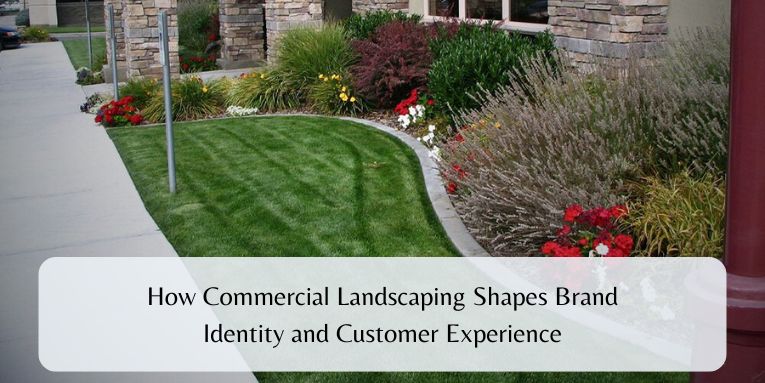
The visual environment surrounding a business plays an increasingly influential role in shaping public perception. Modern customers pay attention not only to products and services but also to the physical atmosphere that welcomes them. Green spaces, structured layouts, and thoughtfully designed outdoor areas communicate values—professionalism, care, and attention to detail. Organisations across diverse industries now recognise the importance of creating inviting exterior surroundings that support visitor comfort and brand identity. As more companies explore refined outdoor design solutions, interest grows around landscape australia, where tailored environments have become a core part of brand-building strategies.
These exterior elements act as the first point of contact, forming impressions even before a customer steps inside. From entry pathways to garden beds, shade structures, and seating zones, each component contributes to a cohesive visual message that strengthens the company’s presence.
Why Exterior Design Plays a Central Role in Brand Identity
A company’s environment often communicates as strongly as its marketing. Well-organised green areas convey stability, professionalism, and long-term commitment. Visitors naturally form assumptions based on what they see—neat pathways suggest order, thriving greenery hints at care, and structured layouts imply thoughtful management.
Businesses offering consumer-facing services—hospitality venues, shopping centres, healthcare facilities, educational institutions, and corporate offices—benefit significantly from refined exterior presentation. These spaces influence how comfortable people feel upon arrival and how they remember their visit.
Outdoor design also supports consistency. When colours, textures, and layout choices align with the brand’s visual identity, the environment becomes an extension of the organisation’s character. This consistency reinforces recognition and boosts credibility.
Environmental responsibility is another factor shaping modern brand perception. Green spaces that support biodiversity, efficient water usage, or climate-appropriate planting contribute to sustainable reputation. Clients and visitors increasingly favour businesses that invest in ecological wellbeing.
This rising appreciation for thoughtfully designed outdoor areas has encouraged many organisations to seek specialised assistance through commercial landscaping services, which help convert functional spaces into strategic visual assets.
How Outdoor Environments Influence Customer Experience
Visitors often experience outdoor spaces before engaging with a business’s core offering. This makes these surroundings integral to shaping comfort, expectations, and emotional response.
A welcoming exterior sets the tone for a positive interaction. Shaded pathways, clear signage, attractive planting patterns, and accessible entries support comfort and reduce uncertainty. For hospitality venues, appealing outdoor zones encourage guests to linger. For corporate environments, they convey professionalism and stability. Retail spaces, meanwhile, benefit from inviting entrances that encourage foot traffic.
The physical environment also affects how safe and secure visitors feel. Well-lit paths, visible navigation routes, and balanced spatial design contribute to a sense of safety—especially in large facilities or after dark.
Outdoor design also supports functional needs. Seating, paved walkways, sheltered areas, and greenery create comfortable zones for waiting, relaxing, or social interaction. Simple features such as benches, shade, and walkable routes improve how people move through and engage with a location.
Furthermore, greenery has psychological benefits. Research consistently shows that natural environments reduce stress and enhance wellbeing. When businesses integrate plants, lawns, and natural textures, they create environments that put customers at ease, improving their overall experience.
The relevance of regional expertise becomes clear, particularly among organisations exploring refined outdoor solutions through australia landscape, where climate-responsive design and sustainable choices are essential.
Key Ways Exterior Design Enhances Brand and Visitor Experience
Benefits That Strengthen Perception and Engagement
- Visual Consistency: Thoughtfully designed outdoor elements align with brand colours, themes, and style.
- Improved Comfort: Shaded areas, clear pathways, and accessible layouts enhance visitor experience.
- Higher Foot Traffic: Attractive entrances and welcoming outdoor spaces encourage customers to explore.
- Wellbeing Support: Natural elements promote relaxation and enrich customer mood.
- Environmental Responsibility: Eco-conscious planting and efficient irrigation improve sustainability.
- Better Space Utilisation: Functional design maximises outdoor zones for seating, navigation, or social interaction.
How Green Design Strengthens Long-Term Brand Value
A well-maintained outdoor area is not just a decorative element—it is a long-term investment that influences how a business grows. Beautifully designed environments create memorable experiences that keep customers returning, whether for hospitality, retail, healthcare, or professional services.
Businesses with striking exterior surroundings often become recognisable landmarks within their communities. This visual distinctiveness increases brand recall and enhances local reputation.
Long-term maintenance plays a major role. A consistent, healthy outdoor environment signals reliability and stability. Customers equate neatness and order with high operational standards, making them more likely to trust the brand.
Exterior spaces also support employee satisfaction. Staff working in well-designed environments experience improved morale, reduced stress, and greater attachment to their workplace. This contributes indirectly to better service and stronger organisational culture.
The Role of Functionality in Outdoor Design
Aesthetics matter, but functionality ensures lasting effectiveness. Outdoor environments serve multiple purposes—from guiding foot traffic to creating comfortable gathering spaces.
Pathways must be wide and accessible. Seating zones should offer comfort and protection from harsh weather. Plant selection needs to match climate conditions for long-term health. Water features, lighting, and signage must balance visual appeal with practical utility.
Thoughtfully chosen textures—stone, gravel, timber, or concrete—help define movement routes and create visual harmony. These details enhance navigation and reduce confusion, contributing to a more enjoyable visitor experience.
Seasonal adaptability is equally important. Plants selected for year-round interest keep spaces appealing through different weather cycles. Drought-resistant species, low-maintenance designs, and climate-wise planning ensure endurance and cost efficiency.
Sustainability and Eco-Friendly Design Practices
Modern companies increasingly integrate environmentally responsible choices into their outdoor planning. Choosing regional plants, employing water-efficient irrigation, and reducing chemical use contribute to both ecological wellbeing and long-term cost savings.
These sustainable choices strengthen a brand’s public image. Customers appreciate businesses that contribute positively to the environment and demonstrate responsible resource management.
Eco-friendly outdoor environments also support biodiversity, welcoming local birds, pollinators, and native species. This enhances both visual interest and ecological resilience.
Customer Perception and Emotional Engagement
Emotions heavily influence customer decision-making. Welcoming, thoughtful outdoor environments create positive associations that extend into the customer’s experience with the brand.
Greenery softens architectural edges, making spaces feel approachable. Calm, orderly environments reduce anxiety and foster a sense of trust. A pleasing exterior encourages customers to spend more time engaging with the business and its services.
Businesses incorporating artistic features—sculptures, flower beds, water features, or seasonal elements—create memorable first impressions that stay with customers long after their visit.
Final Thoughts
A carefully designed outdoor environment strengthens brand identity, enhances customer comfort, and supports long-term business value. From welcoming entrances to sustainable planting and functional layouts, every element contributes to how a business is perceived. With rising expectations for visual appeal and responsible design, organisations increasingly recognise the influence of refined outdoor spaces as part of their overall brand strategy. Many turn toward structured commercial landscaping solutions to achieve environments that balance aesthetics, functionality, and sustainability.
For professional outdoor design support shaped by industry expertise, AVG Grass remains committed to helping organisations build environments that leave lasting impressions.

No comment